

Doula Talk Blog & Podcast
Welcome. This is a space for thoughtful guidance, honest conversations, and practical insight for the postpartum period and first year.
Here you’ll find blog posts and podcast episodes that help you make sense of sleep, feeding, recovery, and the emotional load of early parenthood. My goal is not to give you more rules to follow, but to help you understand what’s happening beneath the surface so you can respond with clarity and confidence.
Whether you’re navigating sleep disruptions, feeding challenges, or simply trying to feel more steady in your role as a parent, these resources offer evidence-informed perspective, real-world context, and support you can return to whenever you need it.
You don’t have to figure it all out alone.
Search the Blog:
Have a question or topic you’d like me to cover on my blog or podcast?
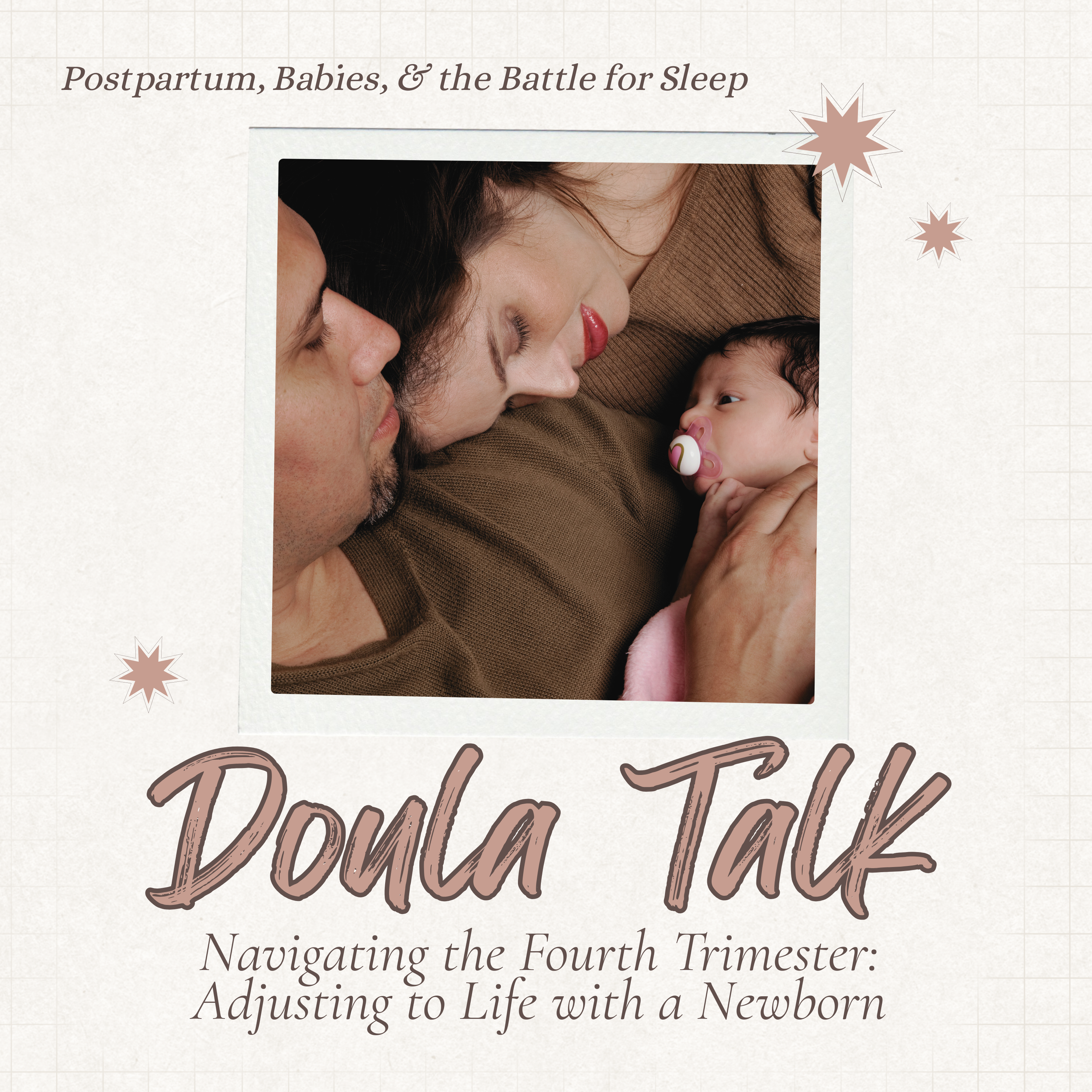
Navigating the Fourth Trimester: Adjusting to Life with a Newborn
If you’ve ever found yourself awake at 3 a.m., holding your baby and wondering if you’re doing something wrong… you’re not alone.
In fact, that moment is one of the most defining experiences of the fourth trimester.
The house is quiet. Your baby won’t settle. You’re exhausted. And somewhere in the back of your mind, you’re wondering if everyone else somehow knows something you don’t.
Here’s the truth most parents aren’t told clearly enough:
What you’re experiencing is incredibly normal.
And also… it can feel really hard.
The fourth trimester, or the first 12 weeks after your baby is born, is a time of massive transition. Not just for your baby, but for you too. Understanding what’s actually happening during this stage can shift everything from panic to perspective.
When Newborn Patterns Shift: Growth Spurts, Illness, and Why Postpartum Support Matters More Than You Think
One of the most disorienting moments in early postpartum happens like this.
You start to recognize your baby’s rhythm. You can roughly anticipate when feeds cluster, when sleep tends to happen, and how evenings usually unfold. It’s not perfect, but it feels familiar enough to breathe a little.
And then suddenly, everything shifts.
Sleep looks different. Feeding feels harder. The rhythm you were starting to understand feels fuzzy again. Many parents describe this moment as unsettling, not because things are objectively terrible, but because they thought they were finally finding their footing.
This is often when families begin searching for postpartum support, not because something is “wrong,” but because the constant change starts to feel heavy to hold alone.
Understanding why newborn patterns shift, and how to respond without scrambling to fix everything, can make the postpartum period feel steadier and more supported.
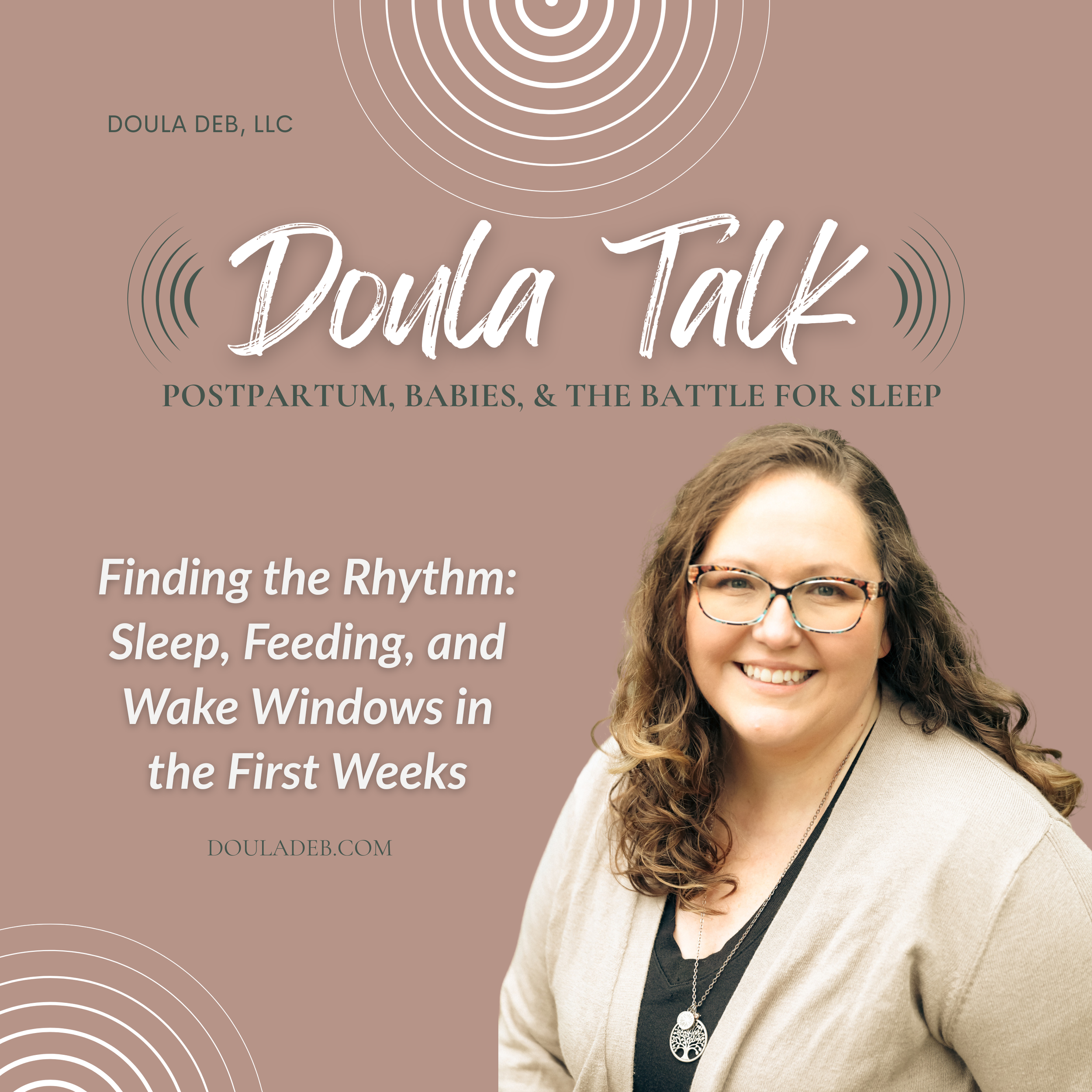
Finding the Rhythm in the First Weeks: Sleep, Feeding, and Why Postpartum Support Matters
The early weeks with a newborn can feel deceptively intense. Days and nights blur together, sleep comes in short bursts, feeding feels constant, and just when something starts to make sense, it seems to change again.
For many families, this isn’t the moment of panic people often talk about. It’s quieter than that. It’s the feeling of holding a lot, all the time, without quite knowing how to interpret what’s happening.
This is often when families begin looking for postpartum support. Not because something is “wrong,” but because the mental load of figuring everything out alone starts to feel heavy.
Understanding how newborn sleep, feeding, and wake windows actually work in the first weeks can make this season feel steadier and far less overwhelming.
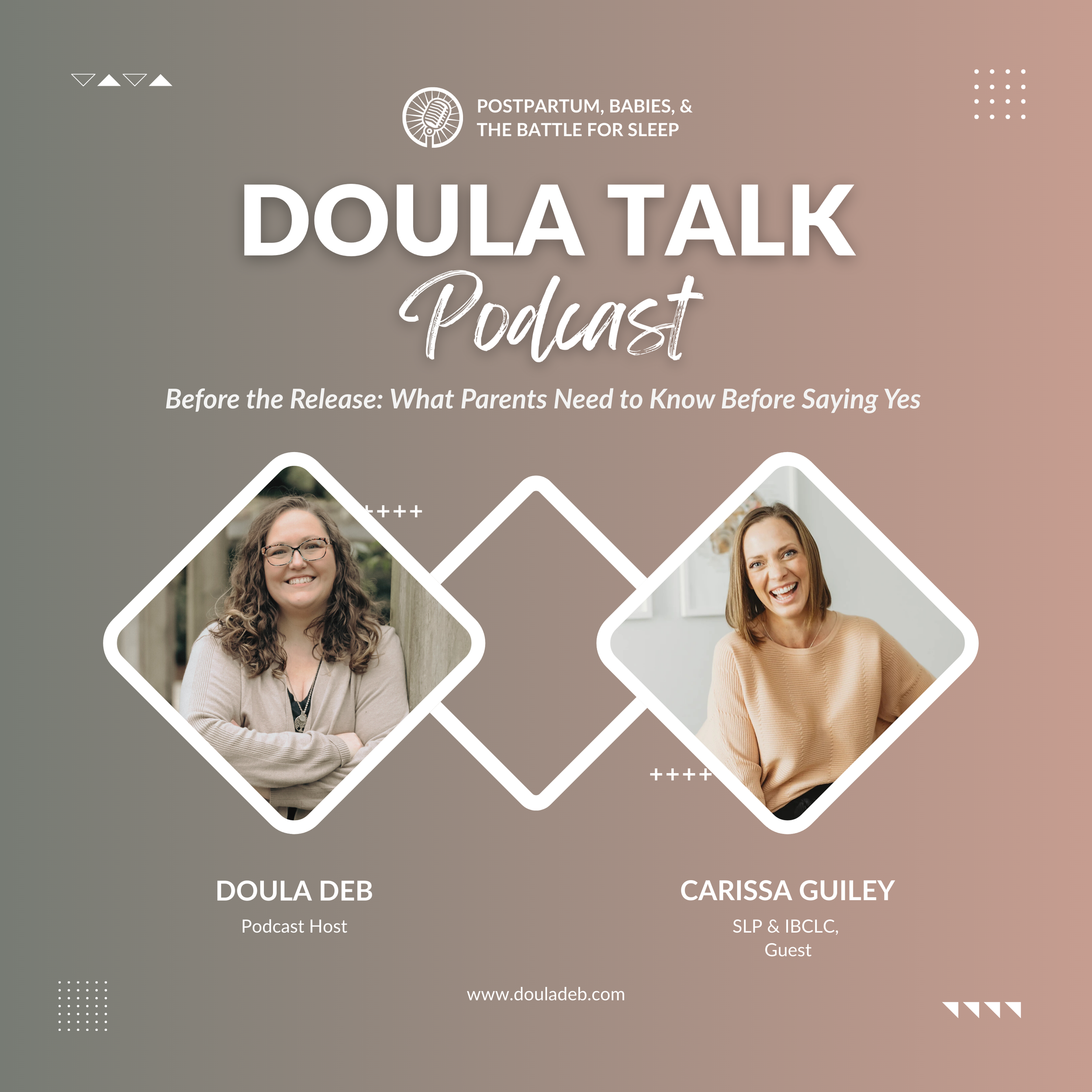
Before the Release: What Parents Need to Know Before Saying Yes (Guest: Carissa Guiley)
If you’ve recently had a baby and feeding has turned into a whole emotional roller coaster, first of all… I’m sending you the biggest, gentlest hug. Because when newborn feeding doesn’t go the way you thought it would, it can shake you to your core. Breastfeeding or bottle feeding is so much more than nutrition. It’s connection. Comfort. Safety. And when something feels “off” but you can’t quite fix it, that pressure builds fast.
So let’s talk about something that comes up constantly in postpartum support: tongue ties. And more importantly… what happens before a tongue tie release.

Is This Just Normal… or Is It Time to Get Sleep Support?
If you're here, you’re probably running on fumes. Maybe you're clutching your coffee like a lifeline, Googling “why won’t my baby sleep” at 2am, or whispering to yourself, “this can’t be normal, right?”
Real Emergency or Newborn Glitch? How to Know When to Head to the ER (and When to Breathe Instead)
You’re finally home with your new baby. You’ve survived labor, mastered the art of diaper changes at 3 a.m., and maybe even managed to drink a full cup of coffee before it went cold. Then suddenly, your baby makes a strange noise, turns a little red, flails their arms dramatically, and your heart leaps into your throat.
Do you call the pediatrician? Head to the ER? Or just sit there refreshing Google and hoping the answer magically appears?
From Maiden to Mother: The Identity Shift No One Prepares You For (Guest Anna Lundqvist)
Discover the emotional and spiritual transformation from maiden to mother in this guide to preparing for postpartum, finding your village, and embracing your motherhood identity with confidence and compassion.

Welcome to Season Two of Doula Talk: Stability Over Perfection — A Gentle Reset for Parents
If you’re in the postpartum season right now, I want to start by saying something many parents rarely hear:
You are not struggling because you are doing anything wrong. You are struggling because postpartum is a massive emotional, physical, hormonal, and identity shift that most families navigate with far too little support.
And I wish we talked about that more honestly.
As I begin Season Two of Doula Talk: Postpartum, Babies, and the Battle for Sleep, I wanted to take a moment to reset the lens we use when we talk about newborn life, maternal mental health, and postpartum recovery. Because somewhere along the way, parenthood became something parents felt pressured to perform instead of something they were held through.